

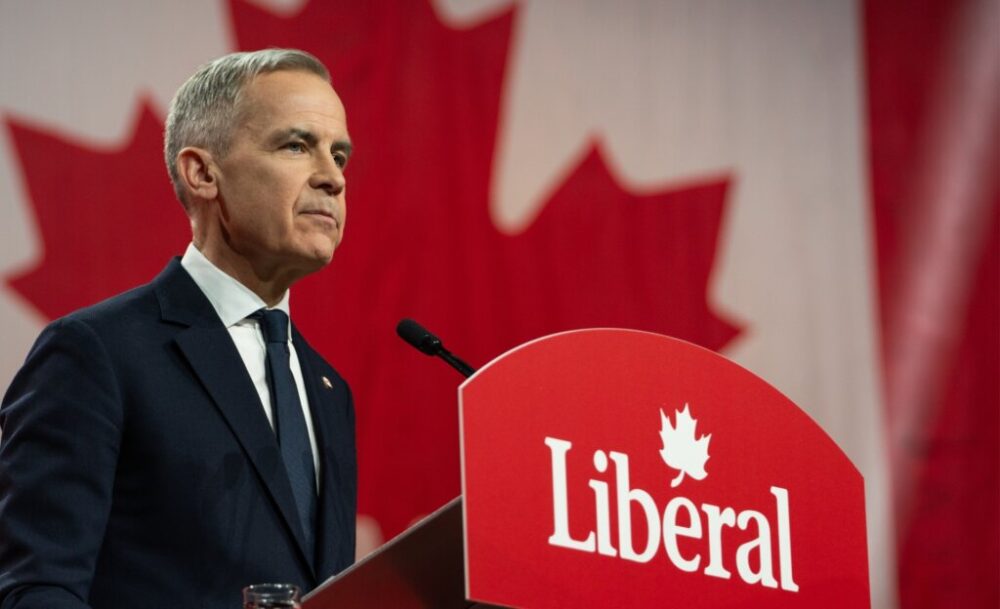
With the 2025 federal election concluded, Canada’s immigration future is beginning to take shape under the newly elected Liberal minority government, led by incoming Prime Minister Mark Carney. The Liberal Party’s platform offers a clear signal: immigration will remain a cornerstone of Canada’s growth—but it will be managed more strategically and sustainably moving forward.
At Altec Global, we’ve analyzed the key points from the Liberals’ campaign promises and outlined below what you should expect in the months and years ahead.
Stabilizing Permanent Resident Admissions

A major pillar of the Liberal immigration platform is the stabilization of Canada’s permanent resident (PR) intake. The party recognizes that rapid immigration growth has strained housing availability and public infrastructure. In response, the Liberals have committed to capping permanent admissions at less than 1% of Canada’s population annually beyond 2027.
This aligns with Canada’s existing Immigration Levels Plan:
2025: 395,000 new permanent residents
2026: 380,000
2027: 365,000
With Canada’s population projected at 41.5 million in 2025, these targets are already below the 1% threshold.
Reducing Temporary Resident Volumes
Canada’s temporary resident population is currently estimated at 3.02 million—roughly 7.25% of the total population. The Liberals plan to bring this number down to less than 5% by 2027.
Key strategies include:
Reducing new intake through stricter caps on study and work permits.
Facilitating the transition of temporary residents into permanent status.
Allowing others to naturally exit the system as permits expire.
The Liberals have indicated these “caps will remain in place until housing stock and infrastructure catch up” with the population increase post-pandemic.
Boosting Francophone Immigration
The Liberal government aims to increase French-speaking immigration outside of Quebec to support Canada’s bilingual identity and fill labor gaps in francophone minority communities.
Targeted growth:
2025: 8.5% of total PRs
2026: 9.5%
2027: 10%
2029 (new Liberal goal): 12%
This will benefit qualified French-speaking applicants from across the globe, especially those in education, healthcare, and trades.
Strengthening Economic Immigration
The Liberals plan to revamp Canada’s Global Skills Strategy, which provides expedited work permits for top international talent.
Expect improvements like:
Faster processing (within two weeks) for skilled foreign workers.
Better support for Canadian companies scaling up their talent acquisition.
Enhanced efforts to attract experienced professionals from the U.S. and abroad.
Streamlined recognition of international qualifications and experience.
These changes will further solidify Canada’s position as a magnet for innovation and entrepreneurship.
Modernizing and Securing the System
To increase efficiency and system integrity, the government also proposes:
Implementing digital tools to reduce processing times and backlogs.
Providing legal aid for refugees and asylum seekers to ensure fair, swift hearings.
Continuing to remove failed claimants while respecting due process.
Investing in border security and tougher enforcement against immigration fraud.
Maintaining collaborative oversight with Quebec on regional immigration matters.
What This Means for You
Whether you’re a skilled worker, international graduate, entrepreneur, or French-speaking applicant, Canada continues to offer a robust and evolving immigration landscape. But with tighter controls and shifting targets, strategic planning and timing are more important than ever.
At Altec Global, we help individuals and families navigate these changes with confidence. Our team stays up-to-date on every policy shift and can help you align your profile with the right immigration pathway.
Make your personalized guidance on getting the right strategy for immigrating to Canada.