
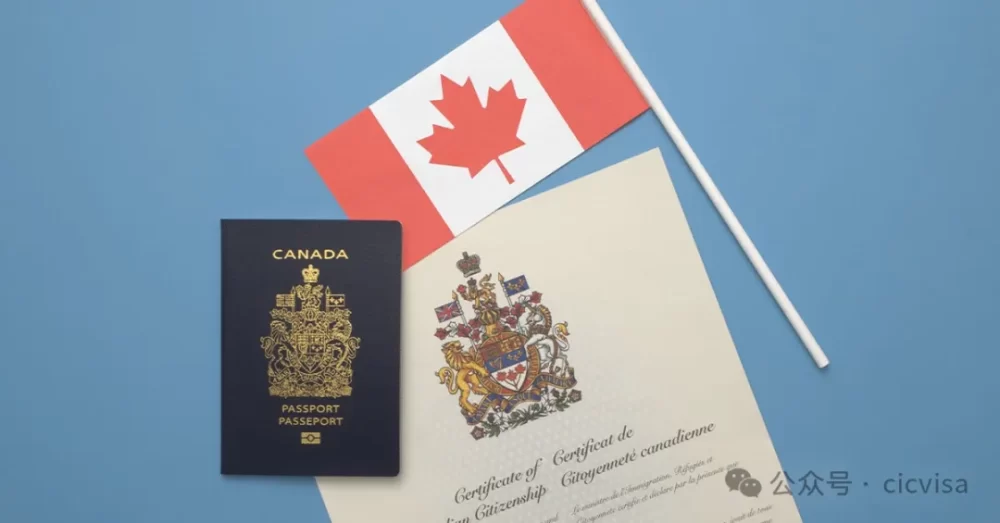
Imagine you’re a Canadian citizen, but your child was born outside Canada, they don’t have the same rights as you. This is a real issue affecting many families due to a rule called the first-generation limit. The good news? Change is coming.
On March 13, 2025, Immigration Minister Marc Miller announced that the government is introducing temporary solutions for these “lost Canadians” while working on a long-term fix. Canada has also requested a 12-month extension on the current rules to allow time for new legislation to pass.
So, what does this mean for you and your family? Let’s break it down in simple terms.
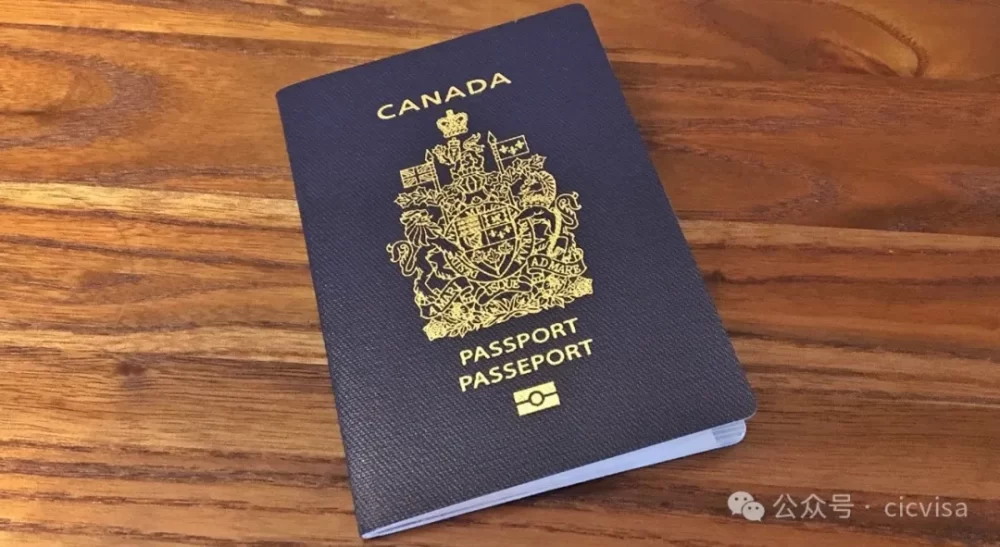
What Is the First-Generation Limit?
Since 2009, Canada has had a rule that limits who can pass on citizenship. Here’s how it works:
If you were born in Canada, your child (even if born abroad) gets Canadian citizenship automatically.
But if you were born outside Canada and later became a citizen, your child—if also born abroad—does not get automatic citizenship.
Example:
Audrey was born in Vancouver but moved to Cambridge, UK, for work. She had a son, Jason, who automatically became Canadian. Later, Jason had a daughter, Lisa, in UK. But Lisa cannot inherit Canadian citizenship under the current law because her father was born outside Canada.
This rule has separated families, preventing children from claiming their parents’ Canadian identity.
Why Is This Rule Being Challenged?
In December 2023, the Ontario Superior Court ruled that the first-generation limit was unconstitutional. The court stated that it creates two types of Canadians—those who can pass on citizenship freely and those who cannot.
The government agreed that the rule is unfair. In May 2024, they introduced Bill C-71, which aims to fix the problem. But due to political delays, the bill has not been passed yet.

What Will Bill C-71 Change?
Once passed, Bill C-71 will:
✅ Remove the first-generation limit – Canadians born abroad will be able to pass on citizenship to their children.
✅ Require a real connection to Canada – The parent must have lived in Canada for 3 years (1,095 days) before their child’s birth or adoption.
✅ Restore lost citizenship – People who were previously denied or stripped of citizenship due to old laws may be eligible again.
Example:
Donald, a Canadian born in Calgary moved to New Jersey. He had a daughter, Emily, who automatically got Canadian citizenship. Under Bill C-71, if Emily has a Daughter, Nancy, she could also be Canadian—if Emily spends at least 3 years living in Canada before his birth.
This rule ensures that citizenship has a real connection to Canada while allowing families to keep their Canadian identity.
Why the 12-Month Extension?
The government has asked the court for more time (until March 2026) to pass Bill C-71. Why? Because creating a new law takes time—it requires debates, votes, and approvals from Parliament and the Senate.
If the extension is granted, the current rules will stay in place while the government finalizes the new law.
If the extension is denied, the first-generation limit could be removed immediately, which might cause confusion in the immigration system.
Temporary Measures While We Wait
Until a permanent solution is in place, Canada is offering temporary grants of citizenship under a special program.
Who qualifies?
Children born before December 19, 2023, who were previously denied due to the first-generation limit.
Children born after December 19, 2023, if their Canadian parent lived in Canada for at least 3 years before their birth.
Some cases involving individuals born before April 1, 1949 or those affected by old citizenship laws.
How does it work?
Families must apply for a special grant and provide proof of residency in Canada.
These cases will be processed on a priority basis, especially if citizenship is needed for urgent reasons (like school or healthcare).
Example:
Michelle was born in Canada but moved to Melbourne, Australia, where she had her son, Lucas, in 2021. Under the first-generation limit, Lucas was not eligible for Canadian citizenship. But thanks to these interim measures, Michelle can now apply for Lucas to receive citizenship.
What Happens If the Extension Is Denied?
If the court rejects the government’s request for a 12-month delay, the first-generation limit could disappear immediately.
This would mean:
Children of second-generation Canadians (born abroad) could automatically claim citizenship.
The government might struggle to process a flood of applications.
The law could still be changed later, but the transition would be chaotic.
The final decision on the extension request will be made by March 19, 2025.
Why This Matters
Canadian citizenship is more than just a passport—it’s a right that connects families to education, healthcare, and job opportunities. But the first-generation limit has created barriers for Canadians living abroad.
Bill C-71 tries to balance fairness with responsibility, making sure that citizenship is earned through a real connection to Canada. However, until the bill is passed, many families remain in limbo.
Final Thoughts
Canada is at a turning point in citizenship policy. Whether the government gets an extension or not, one thing is clear: change is coming.
If you’re affected by these rules, now is the time to act. Stay informed, be prepared, and get expert help to ensure your family’s future in Canada.
What You Can Do Now
Check if you qualify – Visit Canada’s official immigration website for updates.
Gather necessary documents – If you plan to apply under the interim measures, start preparing your proof of residency now.
Stay informed – This situation is evolving quickly, and changes could happen within weeks.
At Altec Global, we understand the complexities of the Canadian immigration system and are dedicated to helping applicants overcome these obstacles. Whether you’re waiting for your PR application, navigating temporary residence delays, or seeking citizenship, our team is here to guide you through the process and help make your Canadian dream a reality.
Make your personalized guidance on getting the right strategy for immigrating to Canada. Contact Us Today.