ECONOMIC IMMIGRATION
Canada’s economic immigration programs are designed to attract skilled workers, entrepreneurs, and investors who can drive innovation and support long-term growth.
These pathways are ideal for individuals with the education, work experience, and professional skills that meet Canada’s labour market needs.

EXPRESS ENTRY
The Express Entry system is Canada’s primary pathway for skilled workers. It includes the Federal Skilled Worker Program, the Canadian Experience Class, and the Federal Skilled Trades Program. With category-based selection, candidates with skills in targeted industries or French-speaking abilities may have additional opportunities to qualify.
The Federal Skilled Worker Program under Express Entry offers skilled professionals, managers, and technical workers the opportunity to immigrate to Canada. Eligibility for permanent residency is based on a combination of factors, including your education, work history, language proficiency, and ability to adapt to life in Canada.
This program is designed for experienced tradespeople in fields such as construction, manufacturing, and maintenance. Applicants must demonstrate relevant work experience, meet language proficiency standards, and typically hold either a valid job offer or a certificate of qualification in their trade to qualify for permanent residency in Canada.
The Canadian Experience Class (CEC) provides skilled workers with Canadian employment experience an opportunity to obtain permanent residency through the Express Entry system. It’s suitable for skilled workers who have proven their ability to succeed in the Canadian labour market.
PROVINCIAL NOMINEE PROGRAMS
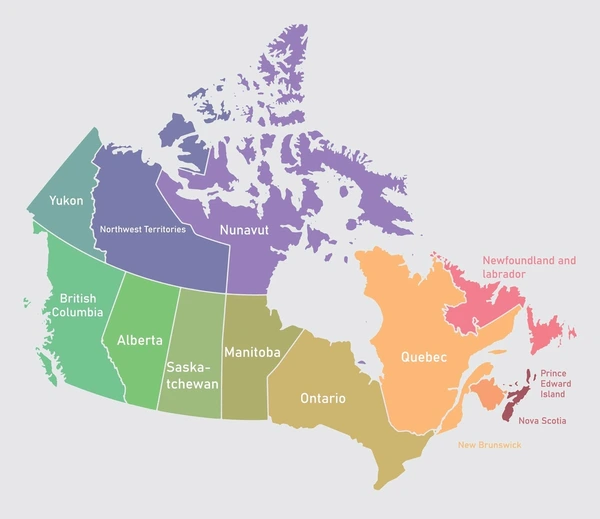
Each province and territory in Canada operates its own Provincial Nominee Program (PNP) to attract workers who fit local labour needs. Some PNP streams are aligned with Express Entry, while others run independently. This flexibility gives applicants more options to qualify for Canadian permanent residence based on their specific background and career goals.
NEW PATHWAYS OPENING IN 2026
Canada is launching several new pilot programs to support regional development and key industries
PRIORITY FAST-TRACK FOR REGIONAL PR APPLICANTS
Canada has announced a new fast-track initiative designed to accelerate the processing of permanent residence (PR) applications for workers who have already submitted their files.
To qualify for this priority processing, applicants must have applied through one of several specific economic programs, such as the Provincial Nominee Program (PNP), and have been living in a smaller Canadian community for a minimum of two years. This targeted stream focuses on speeding up existing applications rather than opening a new PR pathway for temporary residents.

MEDICAL DOCTORS PROFESSIONAL PERMANENT RESIDENCE PATHWAY
In 2026, healthcare‑specific Express Entry draws continue, and provinces actively recruit international physicians to address shortages. There are special measures within Express Entry allowing foreign‑trained physicians providing publicly funded medical services in Canada to apply for permanent residence despite previous self‑employment restrictions.

RURAL COMMUNITY IMMIGRATION PROGRAM (RCIP)
A community‑driven pilot replacing the Rural and Northern Immigration Pilot, allowing smaller communities to recommend foreign workers for permanent residence to address local labour gaps.

FRANCOPHONE COMMUNITY IMMIGRATION PROGRAM (FCIP)
Francophone Community Immigration Program encouraging French‑speaking and bilingual immigrants to settle in Francophone minority communities outside Quebec through local community endorsement.

Atlantic Immigration Program (AIP)
The Atlantic Immigration Program supports the economic growth of Atlantic Canada—including Newfoundland and Labrador, Prince Edward Island, Nova Scotia, and New Brunswick—by helping skilled workers and international graduates settle and build their futures in the region.
CONTACT US
Immigration applications can be complex and require careful preparation. Our team provides expert guidance from eligibility assessment through submission, helping ensure accurate, well-documented applications and a stronger path forward.