

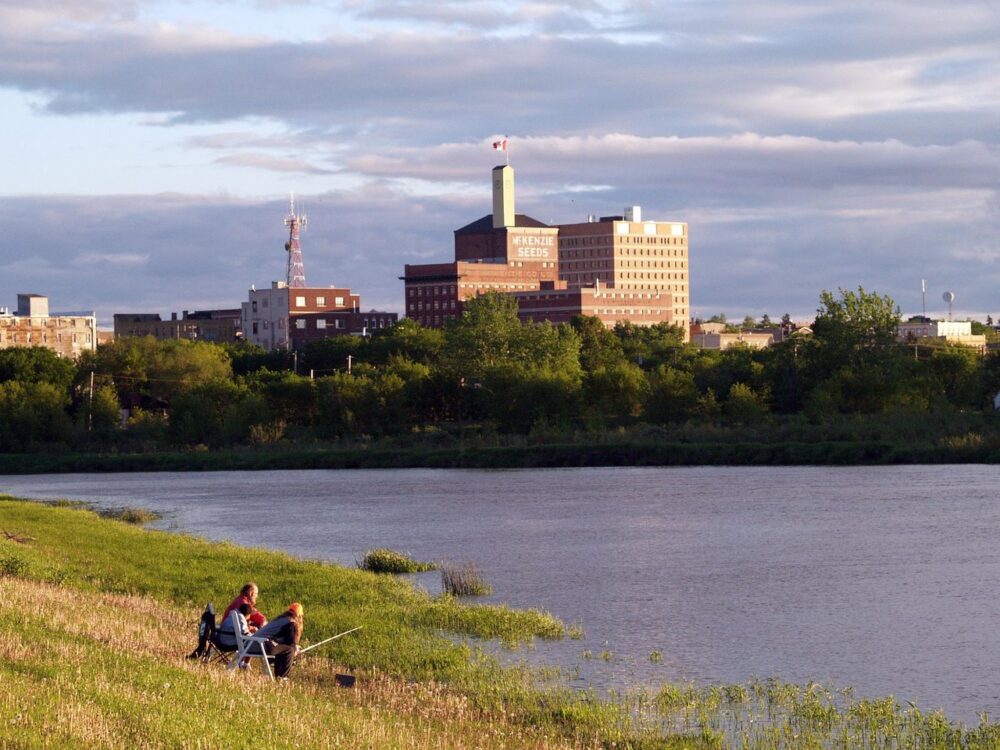
Canada’s commitment to revitalizing its rural and remote communities has taken a significant step forward with the launch of the Rural Community Immigration Pilot (RCIP). This initiative aims to attract skilled workers to areas experiencing labor shortages, offering them a pathway to permanent residency. Four key communities—Sault Ste. Marie, Brandon, Timmins, and Thunder Bay—have recently announced their participation, detailing priority sectors, designated employers, and local employment opportunities, thereby opening new avenues for prospective immigrants.
Understanding the RCIP
The RCIP is designed to bolster the economic vitality of Canada’s rural regions by addressing labor market gaps. It allows skilled workers who have received job offers from designated employers in participating communities to apply for permanent residency. Each community identifies specific sectors and occupations that are in demand, ensuring that immigration aligns with local economic needs.
Imagine a young family from the Philippines finding a new beginning in Sault Ste. Marie, where job opportunities in healthcare and education are abundant. Through RCIP, they secure employment, receive community support, and start their journey toward permanent residency. This is the promise of RCIP—empowering families to thrive in rural Canada.
Sault Ste. Marie, Ontario: Gateway to Opportunity
Sault Ste. Marie, located in Northern Ontario, is a city rich in natural resources and industrial heritage. Known as the gateway to the Great Lakes, the community is actively welcoming skilled labor to address local needs in key sectors:
Education, Legal, Community, and Government Services
Healthcare
Manufacturing and Utilities
Sales and Services
Trades and Transportation
While specific National Occupational Classification (NOC) codes are yet to be released, the city has been allocated 300 RCIP spots for 2025. Prospective applicants are encouraged to monitor the city’s official channels for updates on designated employers and application procedures.
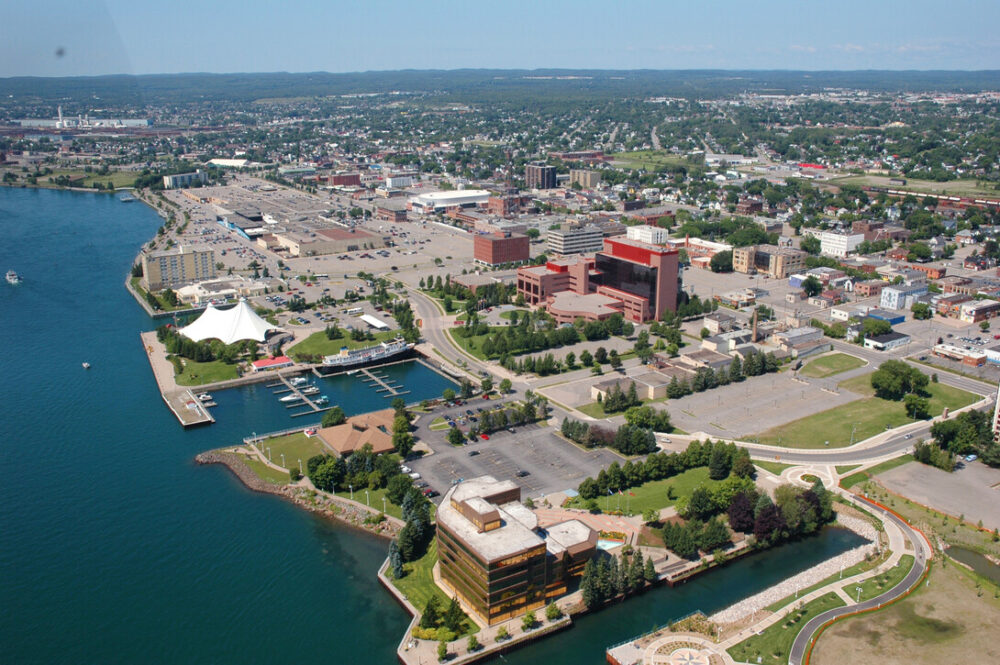
Sault Ste. Marie Community Designated Employers
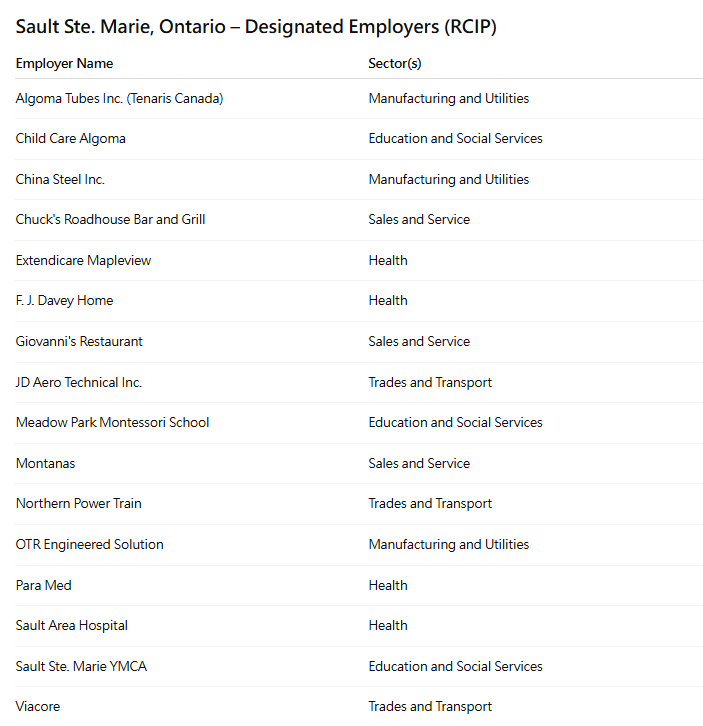
This list emphasizes opportunities in healthcare and education, making it an ideal choice for professionals in these fields.
Brandon, Manitoba: A Hub for Skilled Workers
Brandon, Manitoba’s second-largest city, is renowned for its agricultural processing, food manufacturing, and educational institutions. The city offers a high quality of life with affordable living costs, making it an attractive destination for families. Brandon has released a detailed list of priority occupations for the RCIP, including:
Early Childhood Educator Assistant (NOC 42202, CLB 5)
Registered Nurse (NOC 31301, CLB 6)
Civil Engineer (NOC 21300, CLB 6)
Automotive Service Technician (NOC 72410, CLB 5)
Welder (NOC 72106, CLB 5)
Meat Cutter (NOC 94141, CLB 4)
For 2025, Brandon has been granted 180 RCIP spots, with 15% reserved for the healthcare sector. Applications will be processed on a first-come, first-served basis, emphasizing the importance of early preparation.
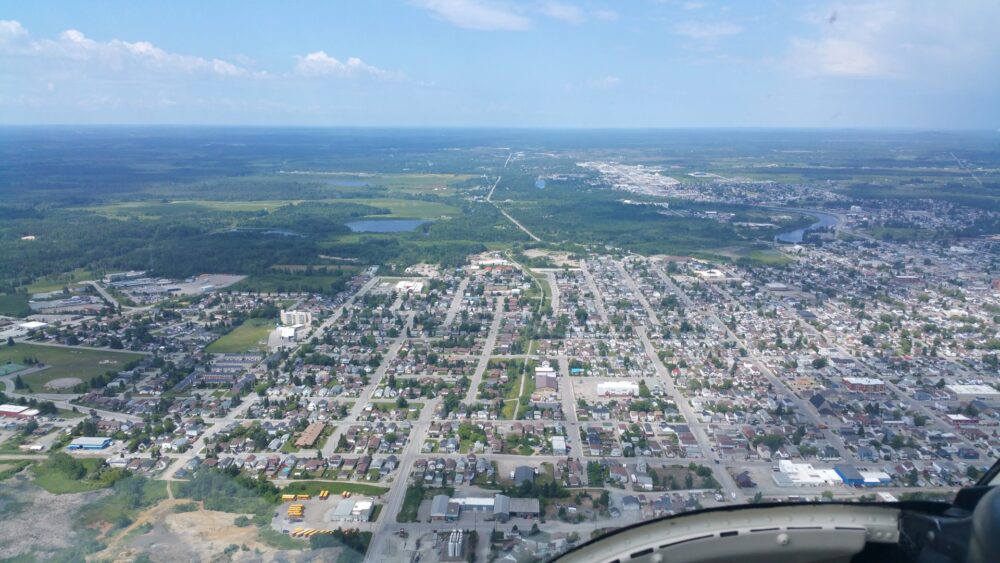
Timmins Community Designated Employers
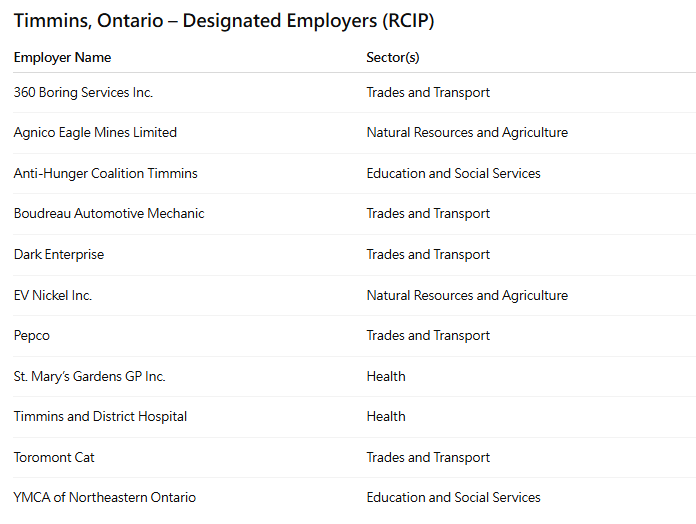
These designated employers span across mining, manufacturing, healthcare, and community services, reflecting the community’s industrial strengths.
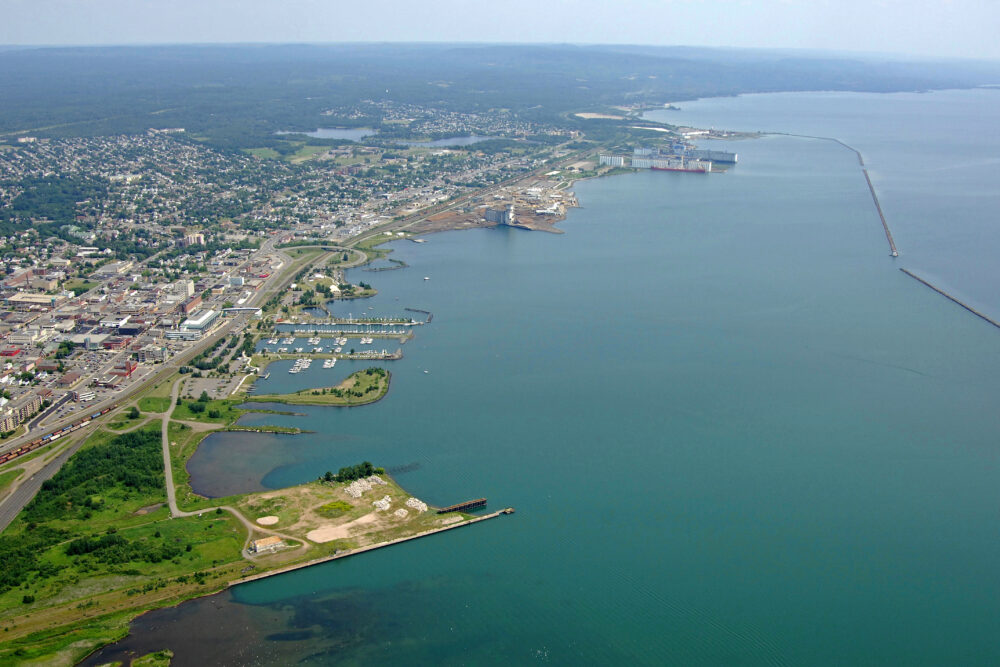
Thunder Bay Community Designated Employers
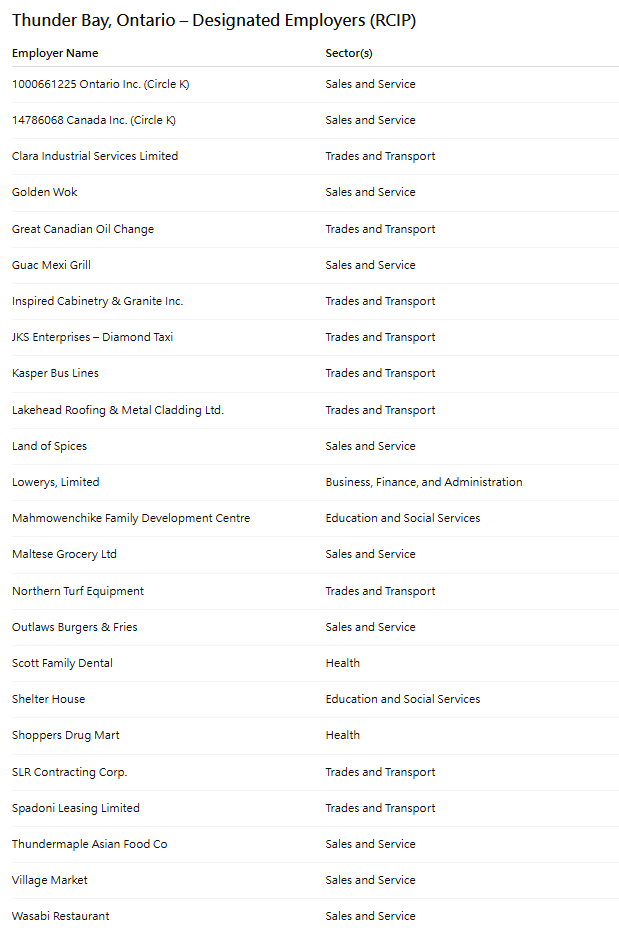
The Thunder Bay designated employers highlight opportunities in hospitality, construction, retail, and healthcare sectors.
Steps to Apply for the RCIP
To take advantage of the RCIP, applicants should:
Secure a Job Offer: Obtain a valid job offer from a designated employer in a participating community. Imagine stepping into a role at Algoma Tubes Inc. or Shoppers Drug Mart and knowing that this is the first step to your Canadian dream.
Community Recommendation: Apply for a recommendation from the community’s economic development organization, demonstrating alignment with local labor needs. Your application is backed by community support, a unique feature of RCIP.
Permanent Residency Application: Upon receiving a community recommendation, submit an application for permanent residency to Immigration, Refugees and Citizenship Canada (IRCC).
Optional Work Permit: Applicants may also apply for a work permit to commence employment while their permanent residency application is processed.
Why Consider the RCIP?
Targeted Opportunities: The RCIP focuses on sectors with genuine labor shortages, increasing the likelihood of employment and integration.
Community Support: Participating communities are committed to supporting newcomers through settlement services and community integration programs.
Pathway to Permanence: The pilot offers a clear route to permanent residency for skilled workers and their families.
Affordable Living: Rural communities often offer a lower cost of living and a higher quality of life compared to urban centers.
How Altec Global Can Assist
At Altec Global, we understand the complexities of the Canadian immigration system and are dedicated to helping applicants overcome these obstacles. Whether you’re waiting for your PR application, navigating temporary residence delays, or seeking citizenship, our team is here to guide you through the process and help make your Canadian dream a reality.
If you’re considering the RCIP as your route to Canadian permanent residency, contact us for expert guidance tailored to your unique circumstances. Make your personalized guidance on getting the right strategy for immigrating to Canada.