

 On June 27, 2025, Employment and Social Development Canada (ESDC) rolled out its annual update to the high-wage and low-wage thresholds for employer-sponsored work permits. These figures determine whether a job falls into the High-Wage Stream or the Low-Wage Stream, and they have real consequences for both employees and employers.
What’s a High-Wage vs. Low-Wage Stream?
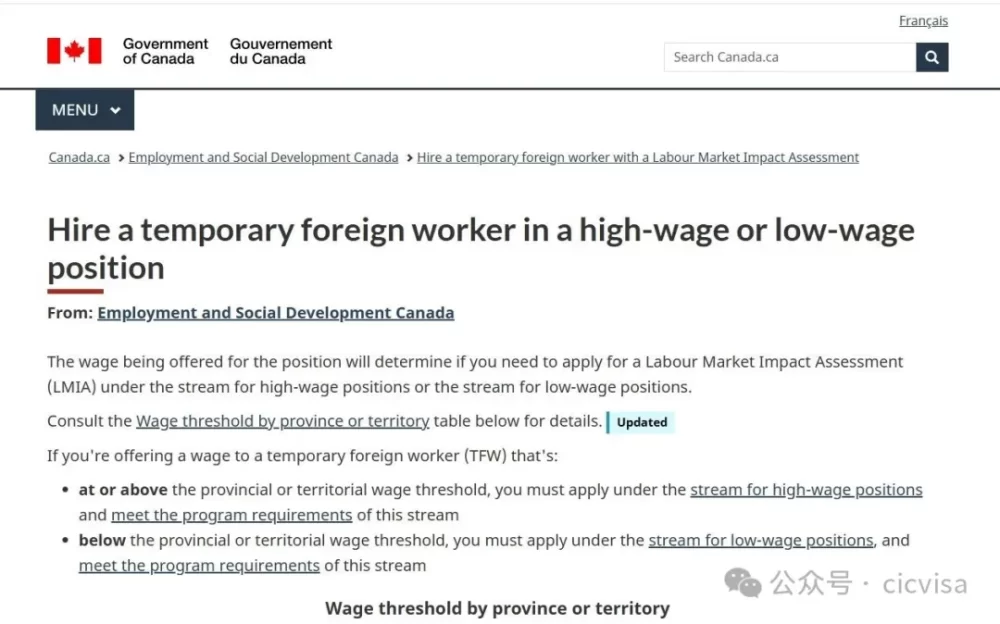 High-Wage Stream If your hourly wage meets or exceeds your province’s new threshold, you’re in the High-Wage Stream. Low-Wage Stream If you earn less than the threshold, you’re placed in the Low-Wage Stream. Your stream affects:
- Work permit length: Up to 3 years in High-Wage vs. shorter terms in Low-Wage
- Spousal work rights: High-Wage spouses can apply for open work permits
- Children’s schooling: High-Wage families enjoy free public education
- Employer obligations: Low-Wage employers must provide housing or transportation support
2025 Threshold Highlights
Most provinces saw across-the-board increases—Ontario and British Columbia rose by over $2/hour. While the exact figures vary by region, expect a notable jump in your province’s minimum: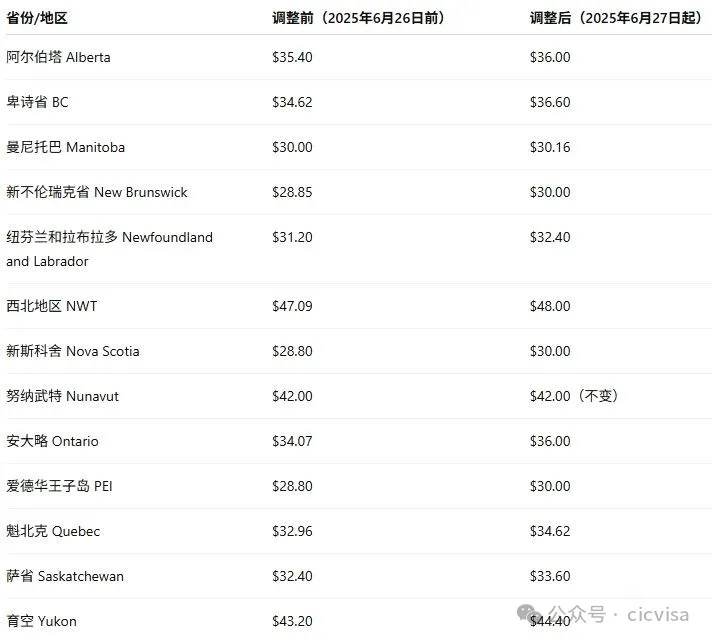
Why This Matters
For Workers:- Confirm your wage qualifies you for the High-Wage Stream before applying.
- Your stream determines your visa duration, family work options, and benefits.
- Set competitive salaries that meet High-Wage thresholds and prepare LMIA documentation.
- Understand added obligations if hiring under the Low-Wage Stream.
Altec Global’s Tips
- Double-Check Your Rate: A small wage bump could unlock longer permits and family benefits.
- Plan Your LMIA Early: High-Wage LMIA applications are more streamlined—start paperwork now.
- Communicate with Candidates: Notify employees of the changes and reset timelines if needed.