
Altec Global 公司创始人兼首席执行官 Susan Gong(注册会计师、CA、RCIC)的独到见解。.
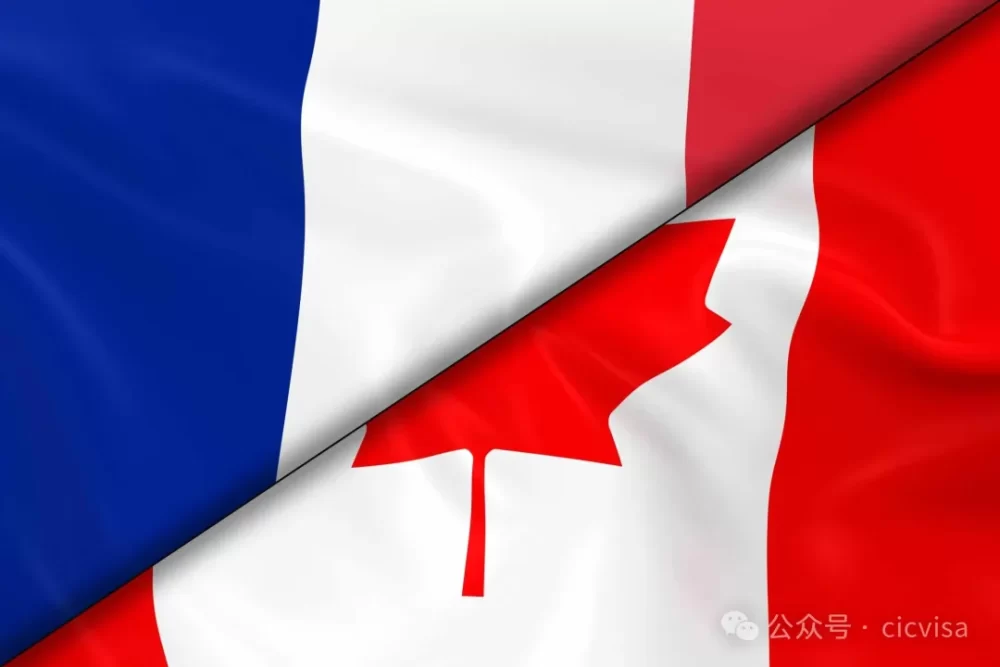
On January 19, 2026, Immigration, Refugees and Citizenship Canada (IRCC) announced a major update to Canada’s federal immigration framework: starting in 2026, the federal government will allocate an additional 5,000 permanent residence selection spaces specifically for French-speaking immigrants.
This policy is designed to strengthen Francophone communities outside Quebec and to support Canada’s long-term goal of increasing the proportion of French-speaking permanent residents nationwide.
What Is Changing?
The newly announced 5,000 Francophone selection spaces will be carved out of the federal permanent residence admissions pool and distributed to provinces and territories. These spaces are added on top of existing Provincial Nominee Program (PNP) allocations, rather than replacing them.
This means provinces will have greater flexibility and capacity to nominate French-speaking candidates, increasing overall selection opportunities for applicants with French language backgrounds.
Policy Context and Long-Term Direction
According to Canada’s 2026–2028 Immigration Levels Plan, the federal government has set clear targets for the proportion of Francophone immigrants settling outside Quebec:
2026: 9%
2027: 9.5%
2028: 10.5%
The longer-term objective is to reach 12% by 2029.
As 江文珊 explains, these targets demonstrate that Canada’s support for Francophone immigration is not a short-term adjustment, but a long-term structural strategy. Beyond language and cultural policy, this direction also supports labour market needs, regional development, and diversity across economic immigration streams.
What This Means for Applicants
The addition of 5,000 dedicated Francophone PR spaces—and the steady increase in target ratios—creates meaningful advantages for applicants with French language skills.
1. Language as a Competitive Advantage Strong French proficiency, or bilingual ability, can significantly improve competitiveness across Express Entry and provincial nomination pathways.
2. Broader Access Across Multiple Programs These additional spaces supplement existing federal and provincial pathways, giving Francophone candidates more than one route to permanent residence.
3. Opportunities Beyond Quebec While Quebec remains a key Francophone destination, this policy specifically supports French-speaking immigrants settling across Canada, offering broader geographic choice and opportunity.
Canada has also continued to expand Francophone-focused tools, including French-priority Express Entry categories and targeted pilot programs supporting Francophone minority communities.
Altec Global Insight
According to 江文珊, this policy update represents a meaningful shift in Canada’s overall immigration strategy. As competition increases across traditional immigration pathways, French language ability has become one of the most valuable strategic advantages in recent years.
For applicants planning long-term settlement in Canada, strengthening French proficiency can unlock additional immigration streams, improve ranking within selection systems, and create more flexibility in pathway planning.
At 欢迎访问顺达集团, we help clients assess how French language skills can be integrated into their broader immigration strategy—whether through Express Entry, provincial nominations, or specialized Francophone programs—ensuring each pathway aligns with individual background and long-term goals.
Email/ Business Inquiries: ask@altecglobal.com
Facebook: Altec Global/CICVISA
Instagram: altecglobal.inc
Website: www.cicvisa.com
WhatsApp: https://api.whatsapp.com/send?phone=14169000797
Make Assessment: https://www.cicvisa.com/en/canadian-immigration-assessment-form/